Is an SEO Score of 92 Good? (Understanding Site Audit Scores & Spam Scores)
Running your first comprehensive website audit can be an eye-opening experience for any digital publisher. When the crawler finishes analyzing your pages, you are typically presented with a massive dashboard full of metrics, warnings, and numbers. For many beginners, these numbers trigger immediate anxiety and a wave of specific questions: Is an SEO score of 92 good? Is 75 a good SEO score? What is the difference between a domain score vs an SEO score? And critically, what is a good spam score?
If you are staring at an SEO health score of 92 or a spam score that feels slightly too high, you need to understand exactly what these metrics mean and how search engines interpret them. In this ultimate low-competition SEO guide, we will break down the mechanics of on-page audit metrics, compare different score ranges (like 75 vs. 92), clarify the difference between domain and site audit scores, and show you how to optimize your technical health.
[Insert Banner Image Here]
Table of Contents
What is a Domain Score vs. SEO Score?
One of the most common points of confusion in search engine optimization is mixing up off-page metrics with on-page metrics. Webmasters frequently ask: What is a domain score vs SEO score?
Understanding this distinction is the first step to mastering technical SEO.
The Domain Score (Off-Page Authority)
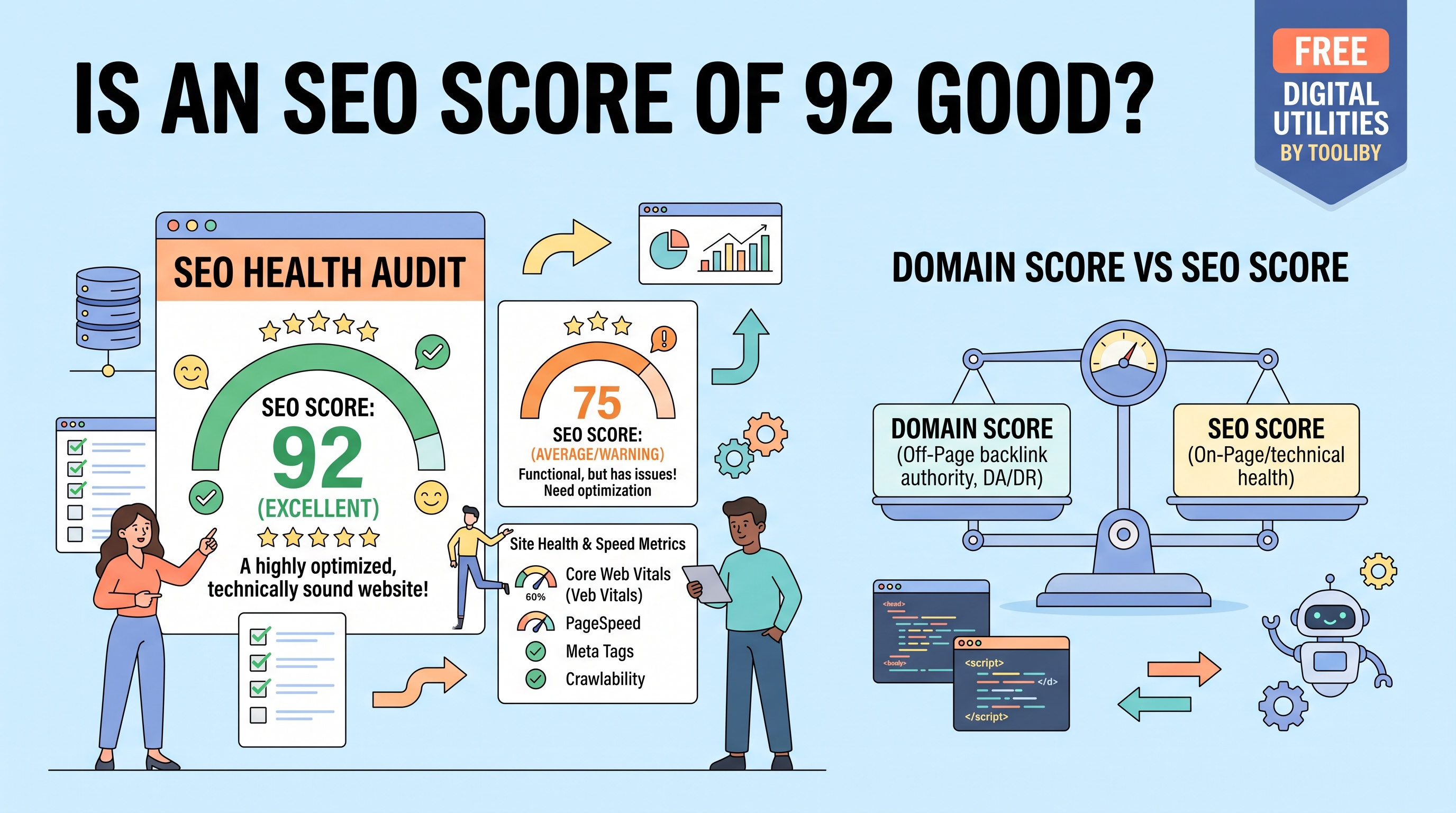
A Domain Score (commonly referred to as Domain Authority by Moz, or Domain Rating by Ahrefs) is a metric that evaluates your website's external backlink profile. It measures how many other websites are linking to yours and the quality of those links.
Focus: Off-page SEO, link equity, and external trust.
Scale: Usually 0 to 100 (logarithmic).
Goal: A higher score means your site is more likely to rank for competitive, high-volume keywords.
The SEO Score (On-Page & Technical Health)
An SEO Score (often called a Site Health Score by SEMrush or Ahrefs) measures the technical and on-page optimization of your website. It acts as a grade for how well your website's internal structure complies with Google's webmaster guidelines.
Focus: On-page SEO, crawlability, broken links, meta tags, page speed, and site architecture.
Scale: Usually 0 to 100 or 0% to 100%.
Goal: A higher score means search engine bots can crawl, understand, and index your content without hitting technical roadblocks.
In short: A Domain Score tells you how popular your site is, while an SEO Score tells you how technically flawless your site is.
Is an SEO Score of 92 Good? (The 90+ Range Breakdown)
If you recently ran a site audit through tools like SEMrush, Ahrefs, or an SEO plugin like Rank Math, and received a 92, you might be asking: Is an SEO score of 92 good?
Yes, an SEO score of 92 is exceptionally good. It represents a highly optimized, technically sound website.
Achieving a score in the 90+ range is the ultimate goal for technical SEO professionals. When your site health hits a 92, it signals that:
Flawless Crawlability: Search engine bots can easily access and index all your important pages without encountering 404 (Not Found) or 500 (Server Error) status codes.
Proper Meta Data: Almost all of your pages have properly formatted title tags, meta descriptions, and H1 tags.
Clean Internal Linking: There are no dead ends or orphaned pages; your site architecture allows link equity to flow seamlessly.
Strong Core Web Vitals: Your pages likely load fast, are mobile-friendly, and pass Google's basic usability standards.
Do You Need a 100% SEO Score?
Many webmasters obsess over getting a perfect 100. However, chasing a 100% SEO score is often a waste of time. A score of 92 means your site is already in the top percentile of optimized websites. The remaining 8% usually consists of minor "notices" (like a slightly long URL or an uncompressed background image) that will not move the needle on your actual Google rankings.
Is 75 a Good SEO Score? (The 70-80 Range Explained)
While a 92 is outstanding, many new and growing websites tend to hover in the mid-70s. So, is 75 a good SEO score?
A score of 75 is considered "average" or "acceptable." It means your website is functional, but it contains underlying technical errors that are holding back your organic growth.
If your site audit returns a 75, your website is likely in the "yellow zone." It is not fundamentally broken, but it is not fully optimized either.
Common Reasons for a 75 SEO Score:
Missing Alt Text: Images on your site lack descriptive alt text, making it harder for search engines to understand them.
Duplicate Content: You may have overlapping page titles, duplicate meta descriptions, or canonical tag issues causing cannibalization.
Slow Page Load Times: Large, unoptimized images or heavy JavaScript are slowing down your initial server response times.
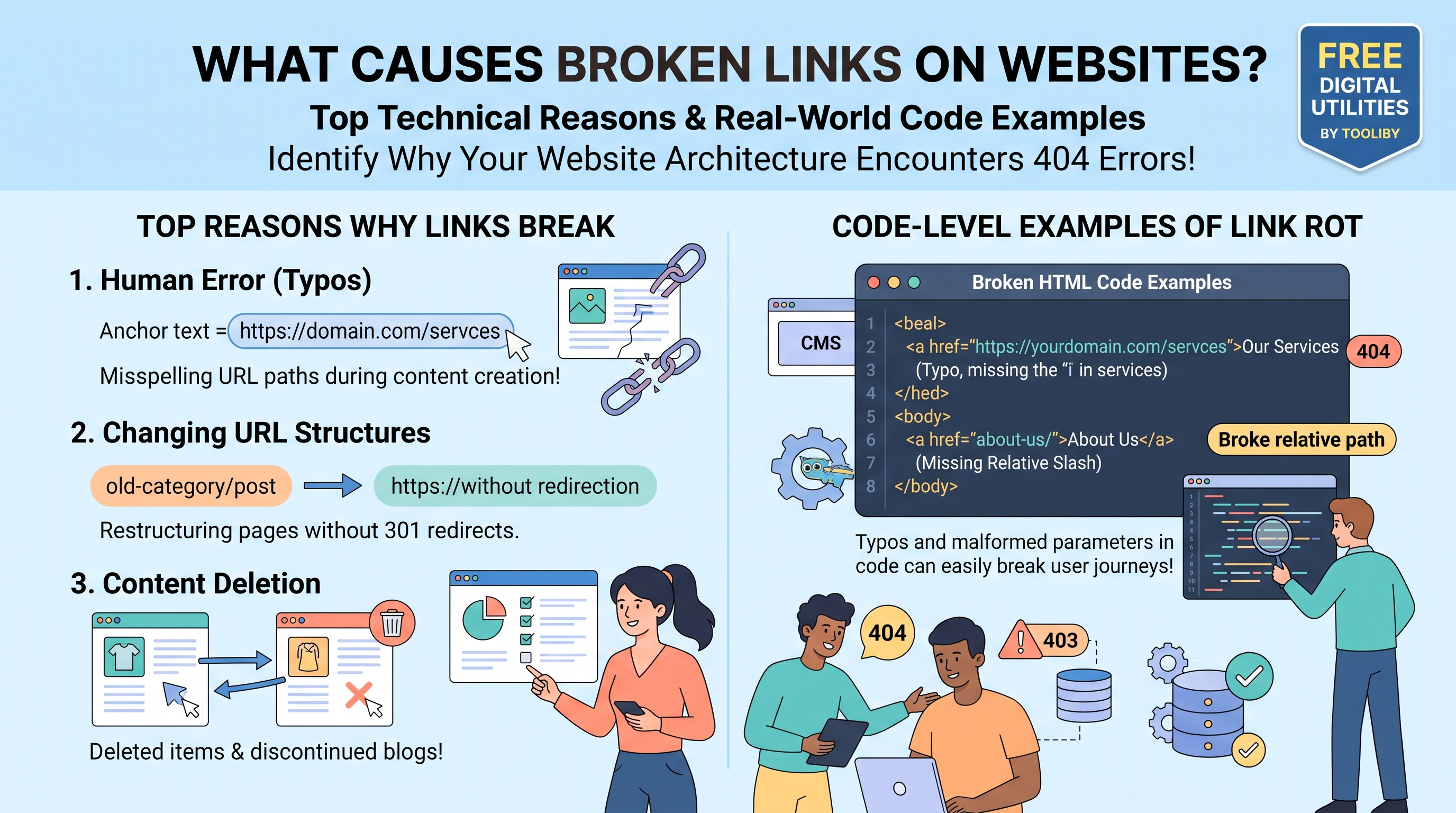
Broken Internal Links: You have linked to pages that have since been deleted or moved without proper 301 redirects.
A score of 75 won't result in a manual Google penalty, but in highly competitive niches, the competitor with a 92 SEO score will likely outrank you due to better user experience and crawl efficiency.
What is a Good Spam Score? (Which Spam Score is Best?)
Beyond technical health, auditing tools also evaluate the risk associated with your domain's backlink profile. This brings us to the Moz Spam Score metric. Webmasters frequently ask: What is a good spam score, and which spam score is best?
Understanding Spam Score
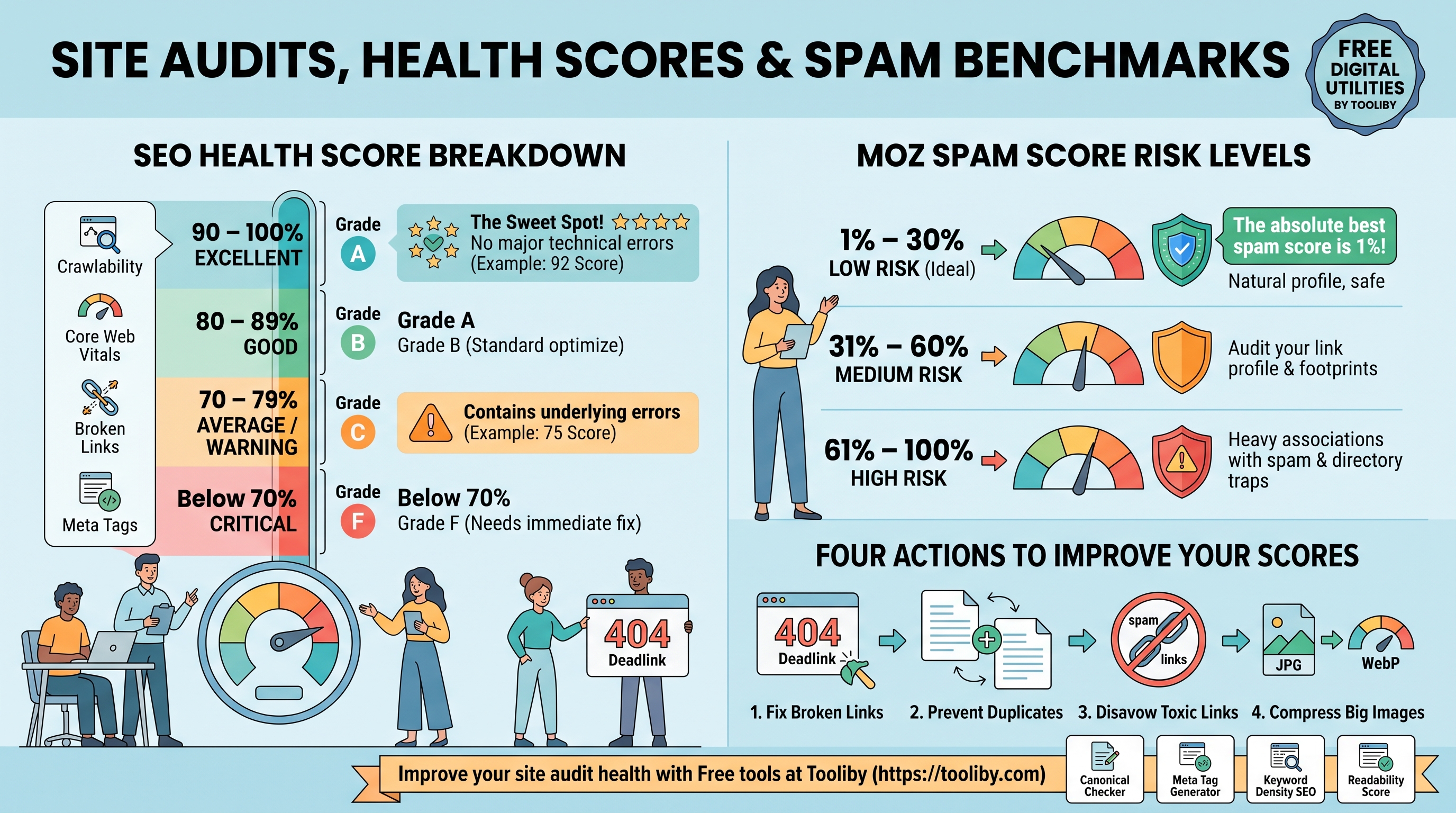
Developed by Moz, the Spam Score is a percentage (from 1% to 100%) that calculates the likelihood of your website being penalized by Google. It does this by analyzing 27 different algorithmic "flags" (such as a lack of contact information, thin content, or toxic backlinks) that are commonly shared by penalized websites.
The Spam Score Benchmark Table
| Spam Score Range | Risk Level | What It Means for Your Website |
| 1% – 30% | Low Risk (Good) | This is the ideal range. Your site is safe, and your link profile appears natural. |
| 31% – 60% | Medium Risk (Warning) | Your site is showing some spam signals. You should investigate your backlink profile and on-page footprint. |
| 61% – 100% | High Risk (Danger) | Your site is heavily associated with spam networks, PBNs, or low-quality directories. You are at high risk of a Google penalty. |
Which Spam Score is Best?
The absolute best spam score is 1%. It is virtually impossible to have a 0% spam score on Moz, so 1% represents the cleanest, most trustworthy backlink profile possible. If your score is anywhere under 10%, you have absolutely nothing to worry about.
[Insert Infographic Here]
Actionable Blueprint: How to Fix a Low SEO Score
If your SEO Score is stuck at 75 and your Spam Score is creeping up, use this step-by-step blueprint to clean up your site architecture:
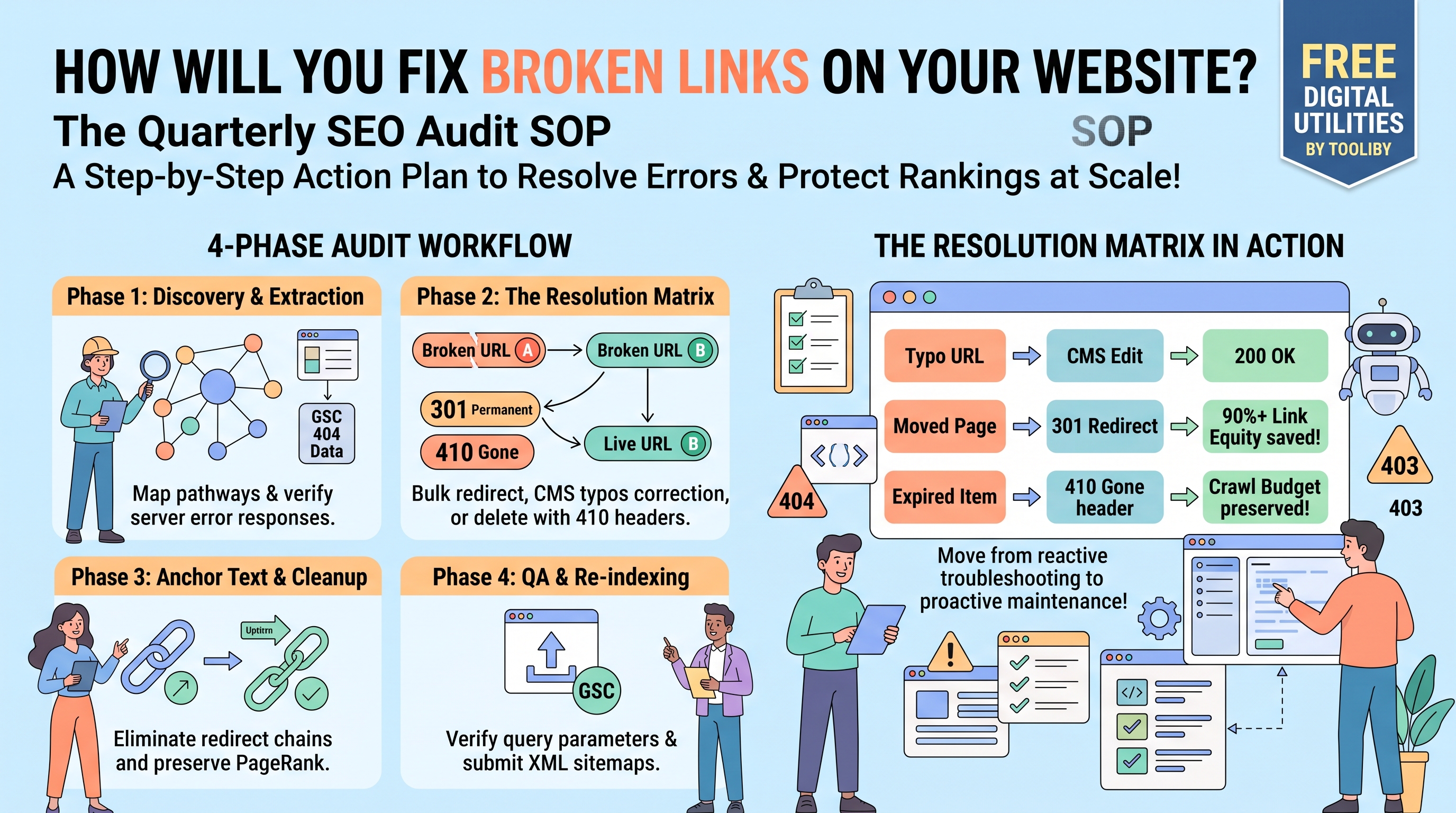
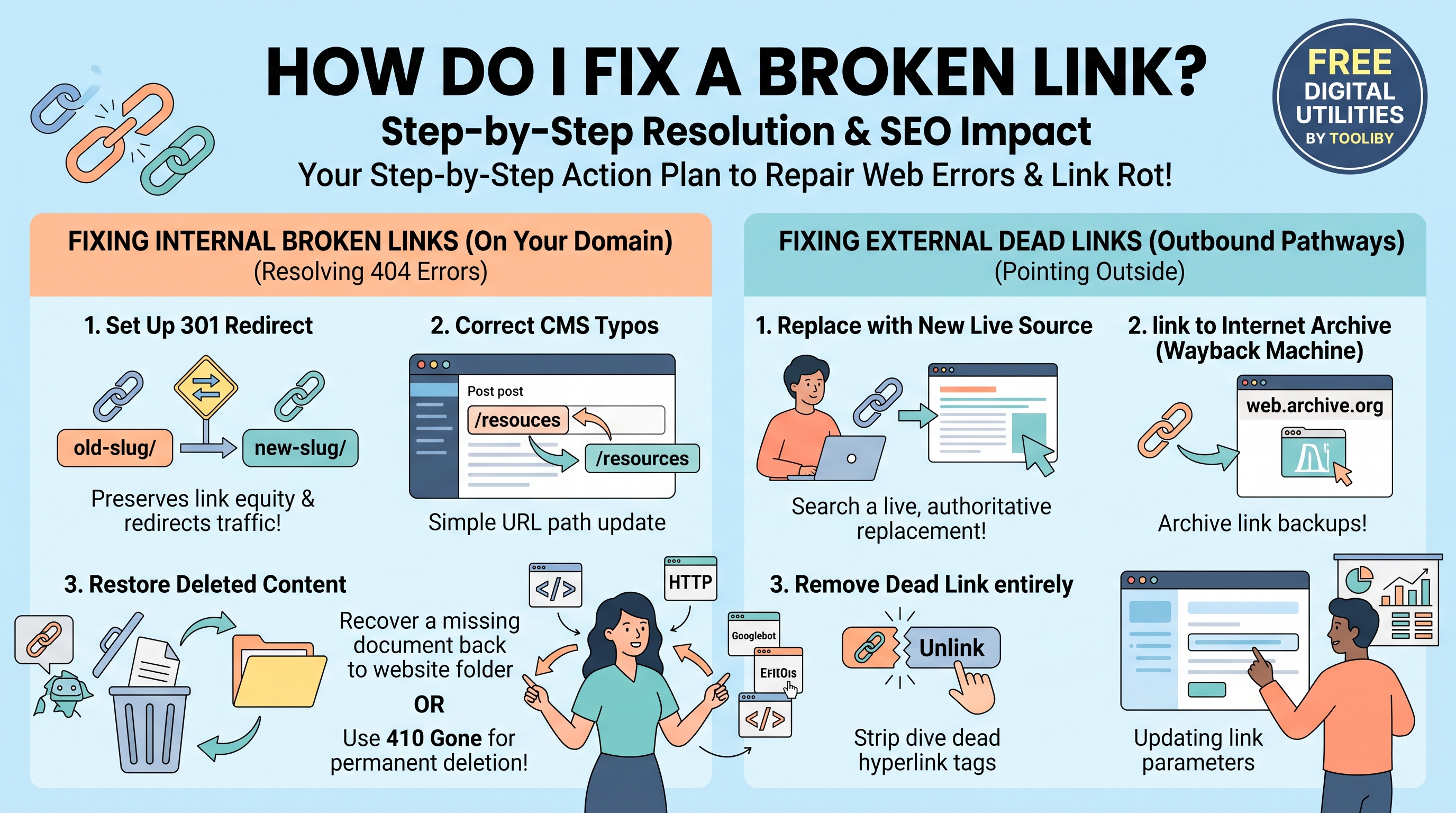
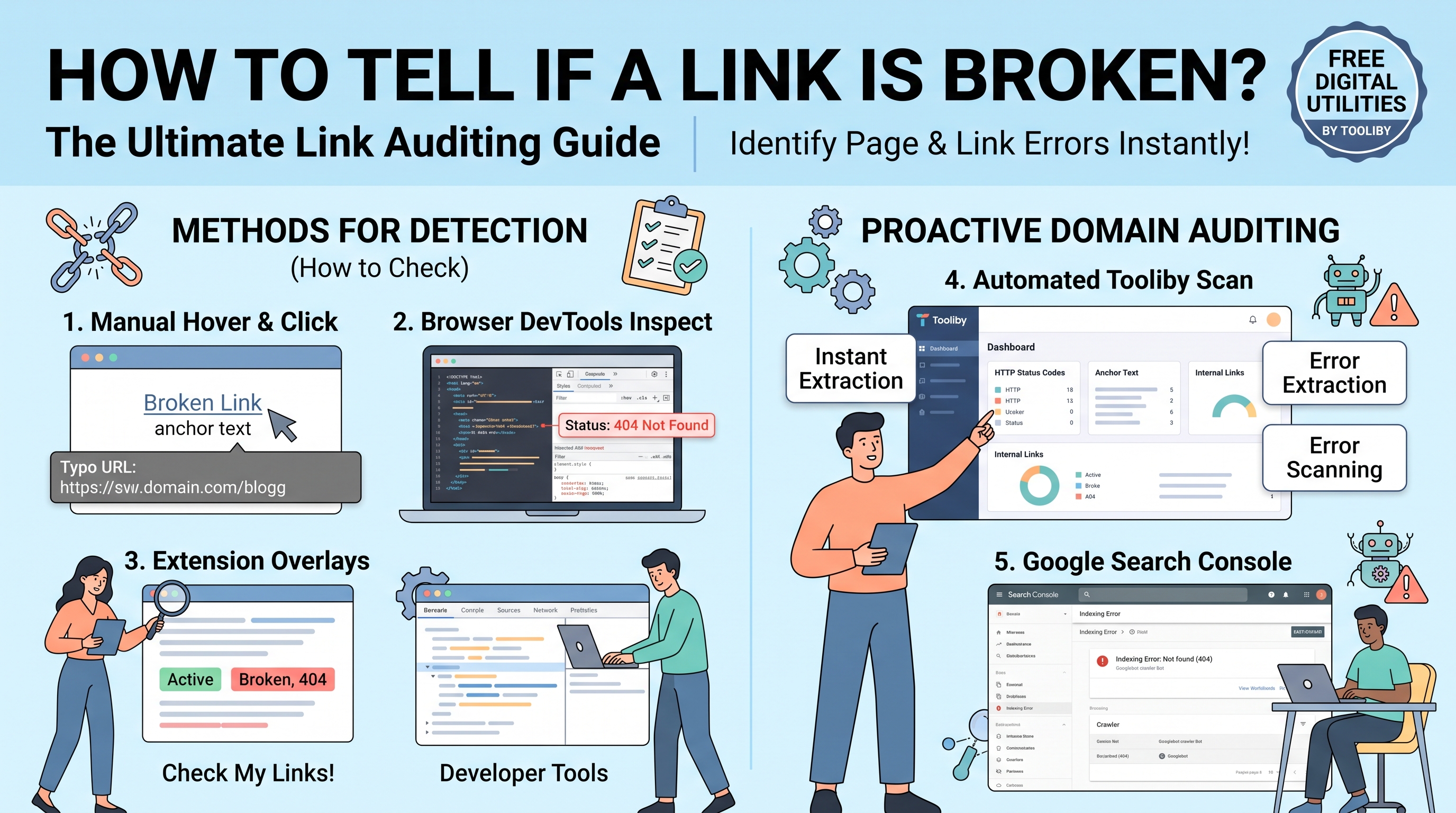
Fix Broken Links (404s): Run a crawler to find any broken internal and external links. Replace them with active links or implement 301 redirects to relevant pages.
Consolidate Duplicate Content: If you have multiple pages targeting the exact same keyword, use a
rel="canonical"tag to point search engines to the primary version of the page.Disavow Toxic Links: If your Spam Score is above 30% due to thousands of shady, irrelevant backlinks (like casino or pharmaceutical spam), use the Google Search Console Disavow Tool to tell Google to ignore those links.
Optimize Core Web Vitals: Compress all your JPEG and PNG images to WebP format, implement browser caching, and defer non-essential JavaScript to ensure your pages load in under 2.5 seconds.
Boost Your On-Page Health with Free Tooliby Utilities
Achieving a 92+ SEO score doesn't require expensive enterprise software. You can audit, fix, and optimize your on-page elements entirely for free using
Prevent Duplicate Content: Ensure your preferred URLs are correctly set up to avoid duplicate content penalties using the
Canonical Checker Fix Missing Meta Data: Generate perfectly sized, search-engine-friendly titles and descriptions to boost your score using the
Meta Tag Generator Analyze Keyword Density: Make sure you aren't accidentally keyword stuffing (which increases spam signals) by checking your content with the
Keyword Density Analyzer Improve Content Quality: Keep your on-page engagement metrics high by evaluating your text flow with the
Readability Score Tool
Frequently Asked Questions (FAQs)
1. Is an SEO score of 92 good enough to rank #1?
Yes, a 92 is an excellent technical foundation. However, ranking #1 also requires high-quality, intent-matching content and a strong domain backlink profile. An SEO score ensures your site isn't technically hindered, but content is still king.
2. How often should I check my SEO score?
It is best practice to run a full site audit once a month. If you are actively publishing daily, running a bi-weekly audit will help you catch missing tags or broken links quickly.
3. Does a high Spam Score mean I am currently penalized by Google?
No. Moz's Spam Score is a third-party metric, not a direct Google penalty indicator. It simply means your site shares characteristics with penalized sites. You should investigate it, but it does not mean your traffic will drop overnight.
4. Can page speed affect my overall SEO score?
Absolutely. Modern site audit tools integrate Google's Lighthouse data. If your page takes 5+ seconds to load, your overall SEO health score will drop significantly due to poor user experience (UX) signals.
Maintain a pristine site architecture, keep your spam score below 10%, and optimize your technical footprint effortlessly using the 360+ Free Digital Tools at
What Is Tooliby Blog?
Tooliby Blog is a free publication covering developer tools, SEO, AI prompts and productivity — written by real practitioners who use these tools daily. No paywall, no account needed. Just practical content you can act on.
Can I share this article?
Yes — use the share buttons above to post on Twitter, LinkedIn, Facebook or WhatsApp. The more people read it, the better.
How do I write for Tooliby?
Click Write for Us and submit your article. We review within 48 hours and publish with full author credit and bio.