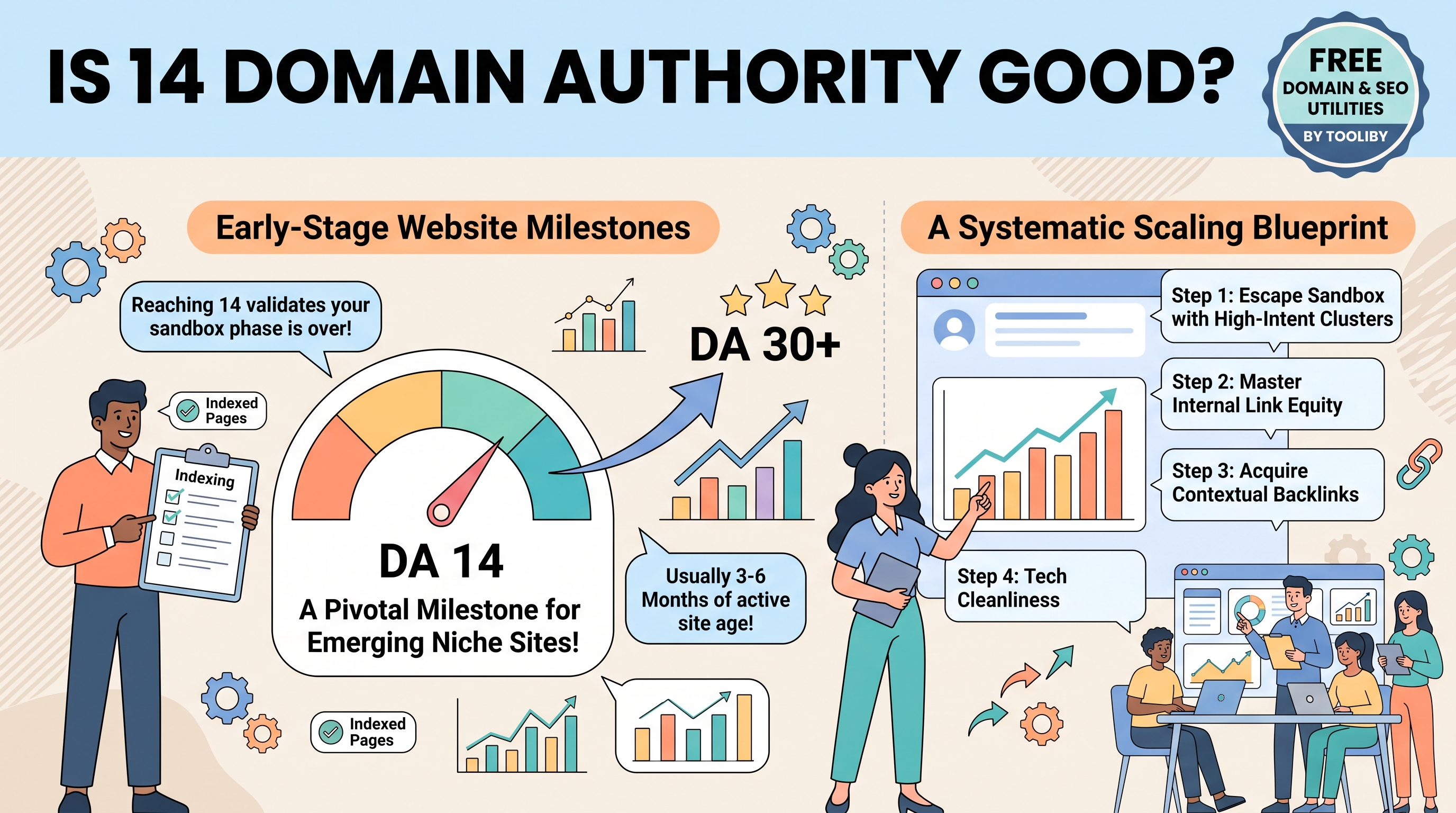
Is 14 Domain Authority Good? (How to Scale Early Stage Sites & Domain Age)
When launching a brand-new website or blog, checking your search engine metrics for the first time can feel discouraging. While giant enterprise media outlets boast Domain Authority (DA) scores above 80, early-stage site owners often see a modest number like 10, 12, or 14. This raises critical questions for emerging digital publishers: Is 14 domain authority good for a new website? What is a good domain age before expecting organic rankings? How can I increase my Domain Authority score efficiently? And what is the best domain authority checker to track progress accurately?
If your site is currently sitting at a DA 14, you are actually in a pivotal, highly promising growth phase. In this comprehensive guide, we will break down what an entry-level DA score signifies, demystify the impact of domain age on Google rankings, compare top authority checkers, and provide a battle-tested blueprint to scale your website from DA 14 to DA 30+.
[Insert Banner Image Here]
Table of Contents
How to Find "What is My Domain Authority Score?" & Best Authority Checkers Step-by-Step Blueprint: How to Increase Your Domain Authority (DA 14 to DA 30+) Accelerate Early-Stage SEO Growth with Free Tooliby Utilities
Is 14 Domain Authority Good for an Early-Stage Website?
Yes, a Domain Authority score of 14 is a very healthy and encouraging benchmark for an early-stage website.
When you register a fresh domain name, your score starts at DA 1. Reaching a DA 14 proves that search engine crawlers have successfully indexed your site, acknowledged your initial published content, and detected your site's first signals of external trust (such as baseline backlinks, social shares, and brand mentions).
Understanding the DA 1 to DA 14 Lifecycle
DA 1 to 5 (The Sandbox & Indexing Stage): Google is evaluating whether your site is legitimate, spam-free, and technically accessible.
DA 6 to 10 (Initial Trust Stage): Your pages begin getting crawled regularly, and low-competition search queries start appearing in Google Search Console impressions.
DA 11 to 14 (Emerging Niche Authority): Search engines establish baseline confidence in your domain. At DA 14, your site possesses enough foundational trust to rank on Page 1 for long-tail, low-competition question queries.
Rather than feeling limited by a DA 14 score, view it as proof that your site has survived the initial technical setup phase and is now primed for rapid authority growth.
What is a Good Domain Age and How Does It Impact Rankings?
A frequently debated topic among SEO professionals is domain age. Webmasters often wonder whether an older domain automatically ranks higher than a younger one.
What is Domain Age?
Domain age refers to the total duration a domain name has been registered with a domain registrar. However, from a search engine optimization perspective, active domain age—the duration a domain has been actively publishing indexed, crawlable content—is what truly impacts SEO performance.
Is Domain Age a Direct Ranking Factor?
Google representatives have repeatedly stated that domain age alone is not a magic ranking factor. A 10-year-old domain that sat parked with no content will rank no better than a 3-month-old domain. However, domain age correlates strongly with authority because older active domains naturally accumulate:
Historical backlink profiles from authoritative sites.
Consistent user signals, brand queries, and traffic data.
Established internal page depth and crawl history.
Domain Age vs. Expected DA Benchmarks
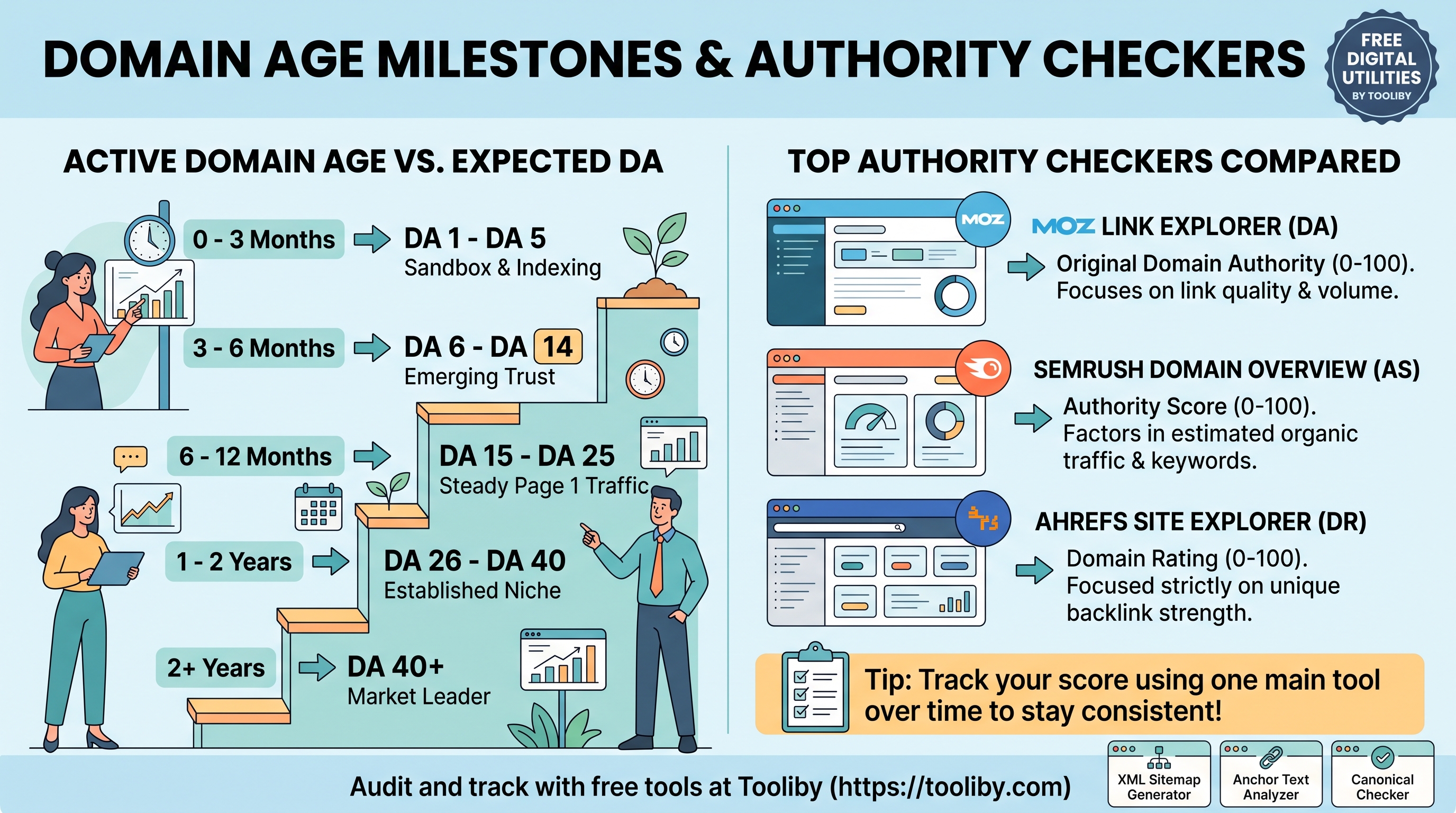
| Active Domain Age | Typical Expected DA Range | Search Engine Status | Primary SEO Objective |
| 0 – 3 Months | DA 1 – DA 5 | Sandbox & initial site indexing | Publish foundational content and submit XML sitemaps. |
| 3 – 6 Months | DA 6 – DA 14 | Emerging trust & impressions | Target zero-search-volume & long-tail questions. |
| 6 – 12 Months | DA 15 – DA 25 | Steady Page 1 organic traffic | Build content clusters & acquire contextual backlinks. |
| 1 – 2 Years | DA 26 – DA 40 | Established category authority | Target mid-tail commercial keywords & scale digital PR. |
| 2+ Years | DA 40+ | Competitive market leader | Defend rankings, optimize conversions & expand content. |
So, what is a good domain age? For seeing noticeable organic traffic, 6 to 12 months of active, consistent publishing is typically the sweet spot where Google fully trusts an emerging domain.
How to Find "What is My Domain Authority Score?" & Best Authority Checkers
If you are asking "What is my domain authority score?", it is important to know that Domain Authority is not an official metric created by Google. Instead, third-party SEO tool providers develop algorithmic scoring models to estimate domain quality.
Comparing the Best Domain Authority Checkers
To track your website's growth accurately, you can use these leading industry checkers:
Moz Link Explorer (Original Domain Authority):
Moz invented the Domain Authority (DA) metric (0 to 100). It measures link equity, root linking domains, and spam score using a logarithmic scale. It remains the gold standard for tracking overall link authority.
SEMrush Domain Overview (Authority Score):
SEMrush calculates an Authority Score (AS) ranging from 0 to 100. It factors in backlink data alongside estimated organic traffic volume and organic keyword rankings, making it highly reflective of real-time search visibility.
Ahrefs Site Explorer (Domain Rating - DR):
Ahrefs uses Domain Rating (DR) (0 to 100) to measure the strength of a website's backlink profile relative to every other site on the web. It focuses heavily on unique referring domains and link equity flow.
Which Authority Checker Should You Rely On?
Each tool uses a different algorithm and updates its database on different schedules. To avoid unnecessary confusion, select one primary tool (such as Moz for DA or SEMrush for AS) and track your relative score over time rather than comparing different metrics against each other.
[Insert Infographic Here]
Step-by-Step Blueprint: How to Increase Your Domain Authority (DA 14 to DA 30+)
Scaling a website from DA 14 to DA 30+ requires a systematic approach combining technical optimization, targeted content publishing, and clean link acquisition.
Step 1: Escape the Sandbox with High-Intent Content Clusters
At DA 14, targeting broad, competitive keywords will result in zero traffic. Instead:
Identify specific, long-tail questions that users search for in your niche.
Group related articles into tight topical clusters linked back to a main cornerstone guide. This signals deep subject matter expertise to search engine crawlers.
Step 2: Master Internal Link Equity Distribution
Internal links pass valuable authority from your highest-performing pages to newer or underperforming articles.
Ensure every new post contains 3 to 5 relevant contextual links to existing articles on your domain.
Use descriptive anchor text that clearly indicates the topic of the target page.
Step 3: Acquire Natural Contextual Backlinks
To jump from DA 14 to DA 30, acquiring high-quality backlinks is mandatory. Focus on safe, sustainable outreach methods:
Digital PR & Expert Roundups: Contribute expert insights to industry blogs and news platforms.
Resource Page Outreach: Find existing resource lists in your industry and suggest your helpful guide as a missing addition.
Unlinked Brand Mentions: Reach out to sites that mention your site or brand name without linking to request a hyperlinked attribution.
Step 4: Maintain Technical Cleanliness
A clean technical foundation prevents authority leakage:
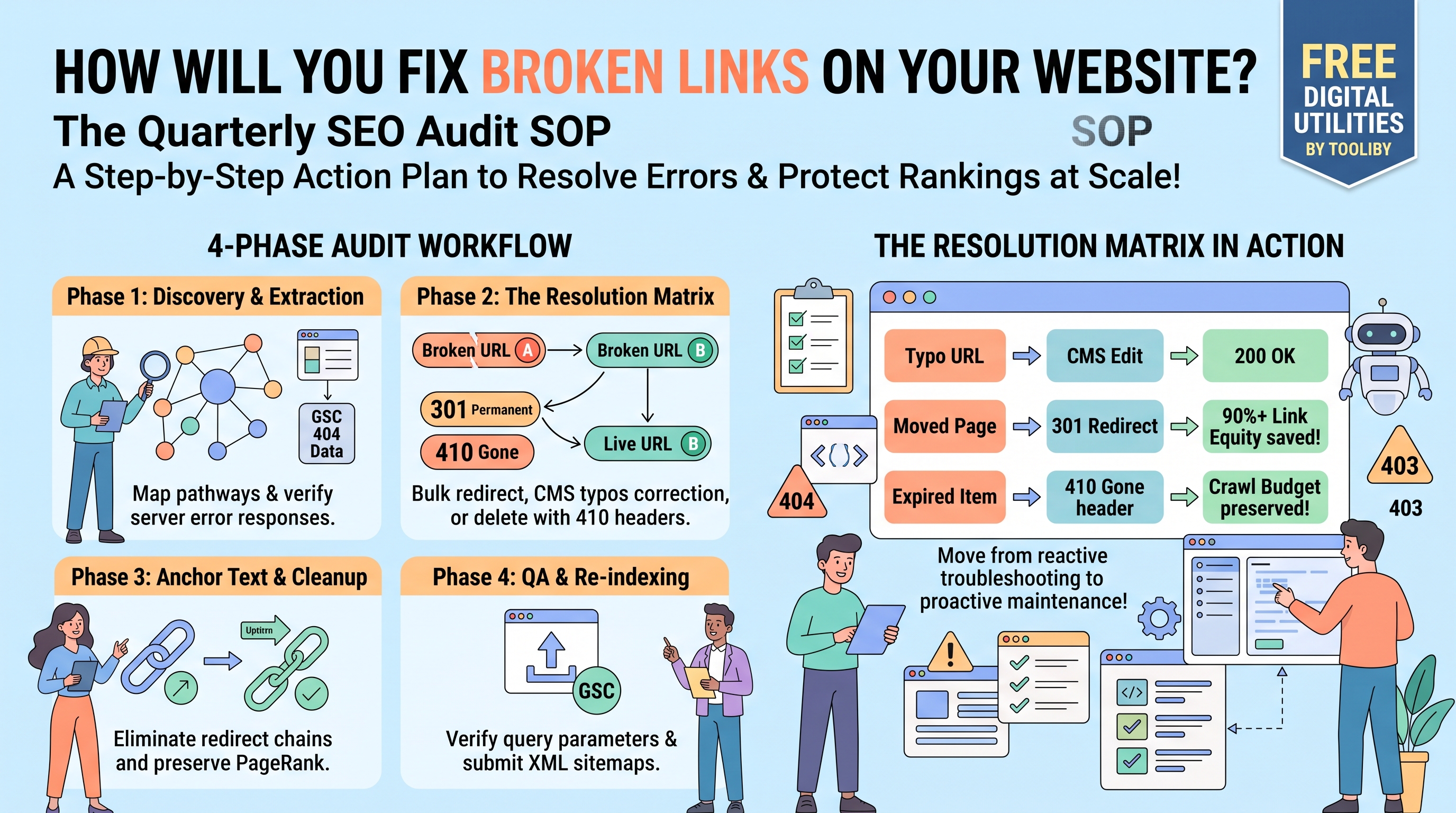
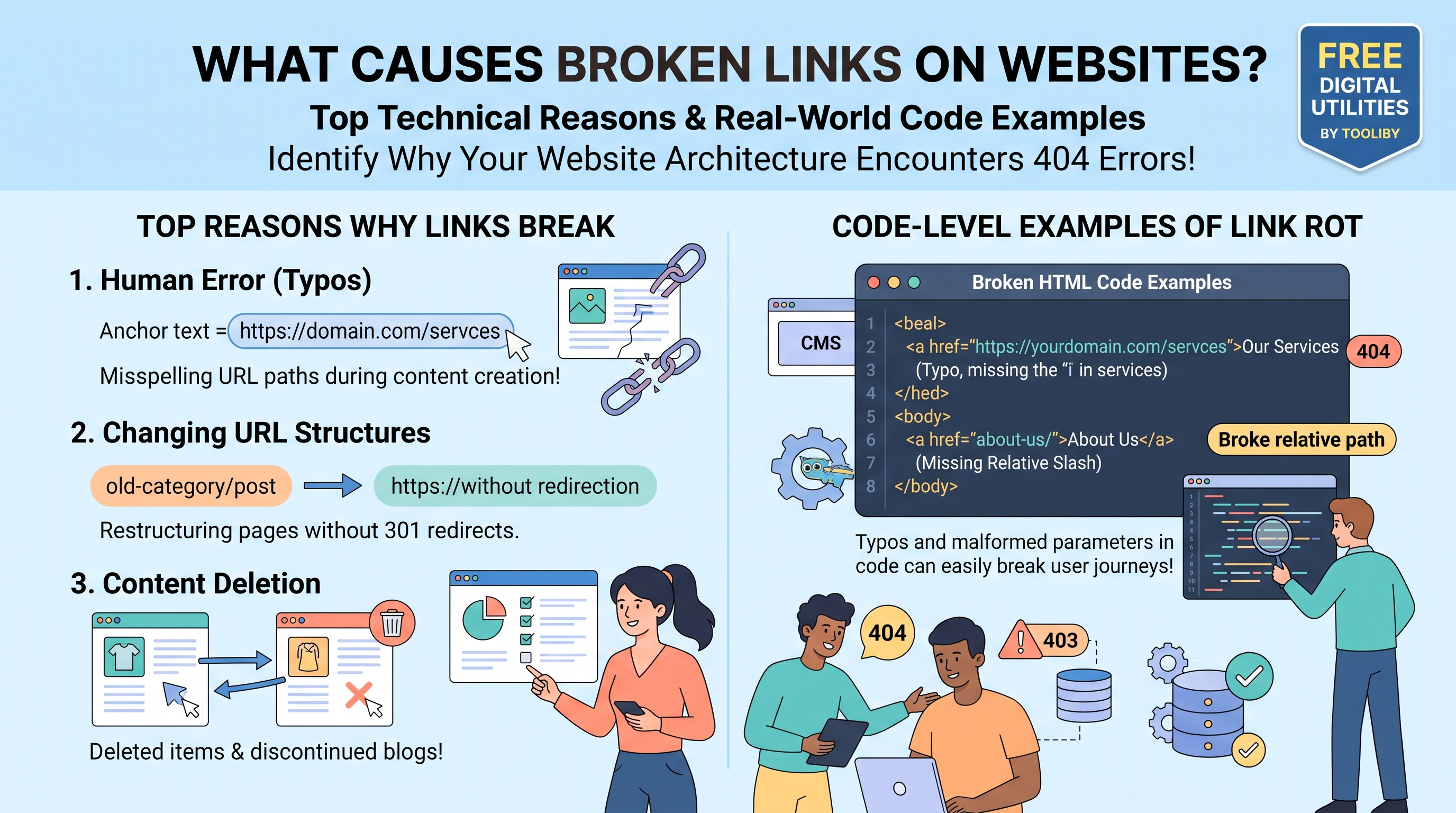
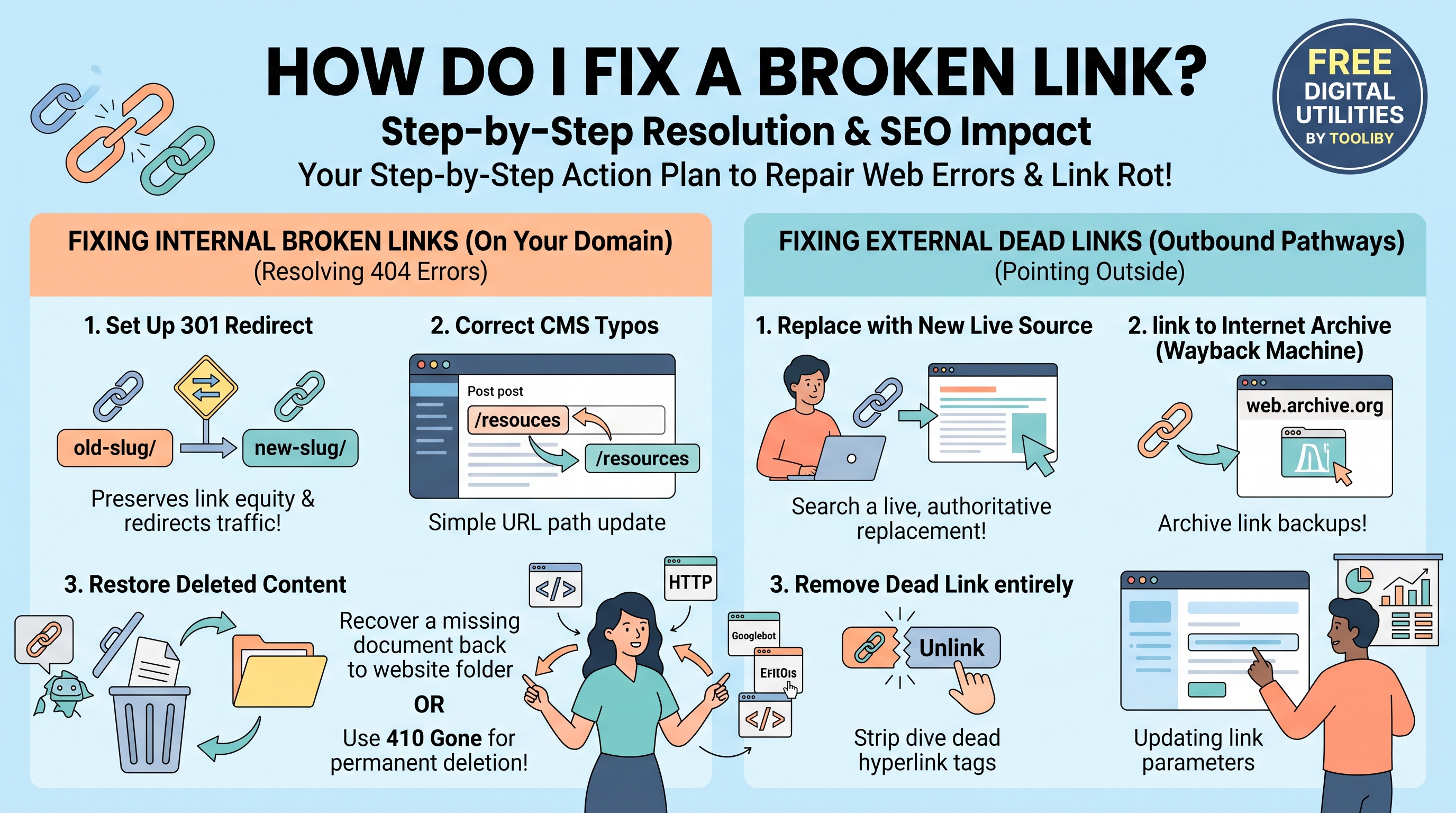
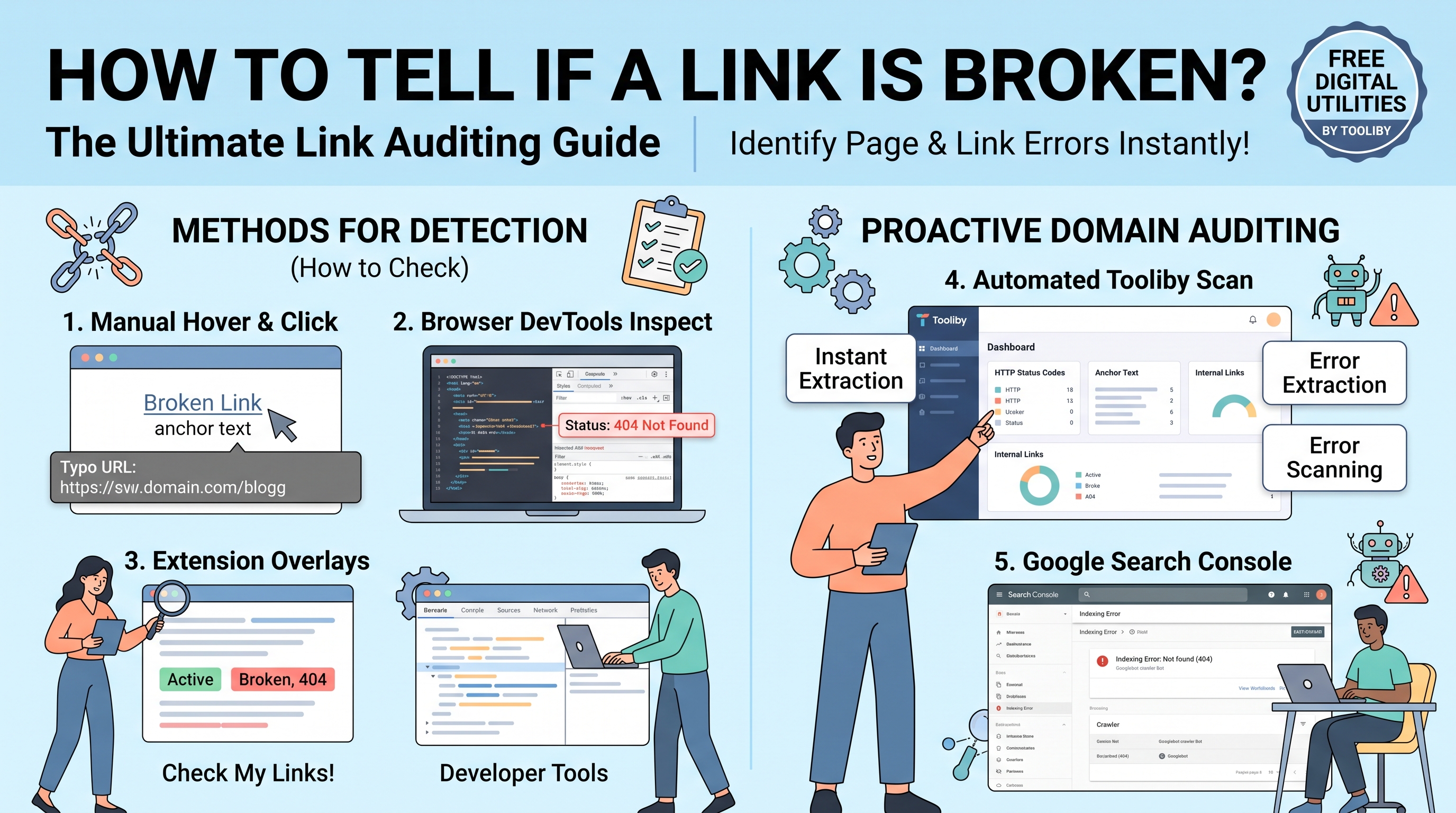
Regularly scan for broken links (404 errors) and implement 301 redirects where appropriate.
Ensure canonical tags are properly configured to prevent duplicate content issues.
Maintain clean URL structures (slugs) and fast page load speeds.
Accelerate Early-Stage SEO Growth with Free Tooliby Utilities
Building authority on an early-stage domain demands technical precision. You can streamline your site optimization using
Accelerate Page Crawling & Indexing: Ensure search engine spiders discover and index your new content instantly using the
XML Sitemap Generator Audit Anchor Text Distribution: Maintain natural backlink and internal link ratios using the
Anchor Text Anayzer Prevent Duplicate Content Penalties: Verify that your primary URLs are correctly indexed using the
Canonical Checker Verify Content Depth: Maintain competitive word counts across all published articles with the
Word Count SEO Tool Create Keyword-Optimized Slugs: Convert long article titles into clean, concise URL paths using
Text To Slug
Frequently Asked Questions (FAQs)
1. Is 14 Domain Authority good for making money with a blog?
Yes! Monetization depends on targeting high-intent, low-competition keywords rather than high DA alone. A DA 14 site can attract hyper-focused affiliate or service buyers and generate solid revenue.
2. How long does it take to increase Domain Authority from 14 to 30?
With consistent publishing (2–3 articles per week) and active backlink acquisition, most websites reach DA 30 within 6 to 12 months.
3. Why did my Domain Authority drop from 14 to 12?
DA fluctuations are normal. A slight drop can occur if Moz updates its global index, if referring domains remove backlink pages, or if spammers temporarily link to your site. Focus on steady long-term trends rather than daily score changes.
4. Can I increase my Domain Authority without building backlinks?
Publishing high-quality, comprehensive content can naturally increase your DA over time as other bloggers discover and cite your content. However, active backlink outreach speeds up the process significantly.
By focusing on long-tail keyword opportunities, keeping your site technically flawless, and utilizing the 360+ Free Digital Utilities at
What Is Tooliby Blog?
Tooliby Blog is a free publication covering developer tools, SEO, AI prompts and productivity — written by real practitioners who use these tools daily. No paywall, no account needed. Just practical content you can act on.
Can I share this article?
Yes — use the share buttons above to post on Twitter, LinkedIn, Facebook or WhatsApp. The more people read it, the better.
How do I write for Tooliby?
Click Write for Us and submit your article. We review within 48 hours and publish with full author credit and bio.